The Current State of Education in India
India’s education system, one of the largest in the world, encompasses various levels, including primary, secondary, and higher education. The enrollment rates for primary education have shown significant improvement, with data indicating an increase to over 95% in recent years. However, disparities remain pronounced. Urban areas often experience better infrastructure, teaching quality, and access to resources compared to their rural counterparts, leading to a gap in educational attainment. In rural India, dropout rates are concerning, driven by socio-economic factors, transportation issues, and inadequate facilities.
At the secondary level, only about 80% of students transition from primary to secondary education. This percentage further declines as students move to higher education, where enrollment rates hover around 25%. Such figures highlight the challenges faced in retaining students beyond the primary stage, particularly among marginalized communities. Government initiatives like the Right to Education Act (RTE) have aimed to make education accessible to all children aged 6 to 14, yet execution and local implementation remain inconsistent.
Various reforms have been introduced to enhance educational quality and equity. The National Education Policy (NEP) 2020 outlines a vision for holistic education, emphasizing skill development and vocational training. Furthermore, steps are being taken to improve digital learning by leveraging technology; however, the digital divide poses a challenge in rural areas where internet access is limited. Additionally, there have been ongoing efforts to train teachers, develop curricula, and promote inclusive practices, yet the effectiveness of these policies is continuously assessed amid the existing disparities. The intricate landscape of India’s educational system reflects a struggle to provide quality education to every citizen, particularly the aam aadmi, a challenge that continues to evolve with the nation.
Barriers to Quality Education for the Aam Aadmi
Accessing quality education in India remains a significant challenge for the aam aadmi, facing multiple systemic barriers that inhibit their educational prospects. The most prominent barrier is poverty, which severely limits families from affording school fees, books, and other essential educational resources. Many families, particularly in rural areas, allocate their limited resources to basic needs such as food and shelter, thus prioritizing immediate survival over education. This financial strain often forces children into labor instead of schooling, perpetuating the cycle of poverty and educational disadvantage.
In addition to poverty, the lack of adequate educational infrastructure plays a crucial role in hindering access to quality education. Many schools, especially in rural or underdeveloped regions, are poorly equipped, lacking essential facilities such as classrooms, libraries, and sanitation. This inadequacy discourages both parents and children from pursuing education, leading to high dropout rates and low enrollment numbers. Moreover, insufficient trained teachers exacerbate the issue, as many schools are often staffed with unqualified personnel who lack the necessary skills to deliver effective instruction. This deficiency drastically reduces the quality of education, leaving students ill-prepared to face future challenges.
Social factors also significantly influence educational opportunities. Caste and gender discrimination remain prevalent, restricting access to education for marginalized communities and girls. For instance, girls often face societal expectations to marry young or assist with household chores, which limits their school attendance and educational attainment. Geographical factors also play a role; in remote areas, the distance to the nearest school can be prohibitive, deterring families from sending their children to educational institutions. The combination of these barriers forms a complex web that the aam aadmi must navigate, ultimately leading to inequalities in educational attainment and opportunities.
The Impact of an Ineffective Education System on Society
India’s education system is increasingly viewed as a critical determinant of societal progress. When the education framework fails to meet the needs of its citizens, the repercussions extend beyond individual academic failures. It significantly hampers job opportunities for the youth, leading to high unemployment rates. Inadequate skill development within educational institutes often results in a mismatch between labor market requirements and the skills possessed by graduates. This disconnect creates a workforce that is ill-prepared for today’s dynamic job landscape, ultimately limiting the potential for economic mobility among individuals.
An ineffective education system also perpetuates social inequality. In a country where socioeconomic disparities have been historically entrenched, marginalized communities often find themselves with even fewer resources to pursue quality education. This lack of access prevents many from breaking the cycle of poverty, as educational attainment is closely linked to income and employment prospects. Consequently, such systemic barriers contribute to broader societal issues, including reduced social cohesion and heightened discontent among affected populations.
The long-term consequences of an underperforming education system pose significant challenges for India’s overall development. As today’s youth, who are the future leaders and innovators, struggle to acquire the necessary skills and knowledge, the nation’s potential for growth and advancement becomes jeopardized. A poorly educated population can have profound implications for national productivity, hindering technological adoption and decreasing competitiveness on a global scale.
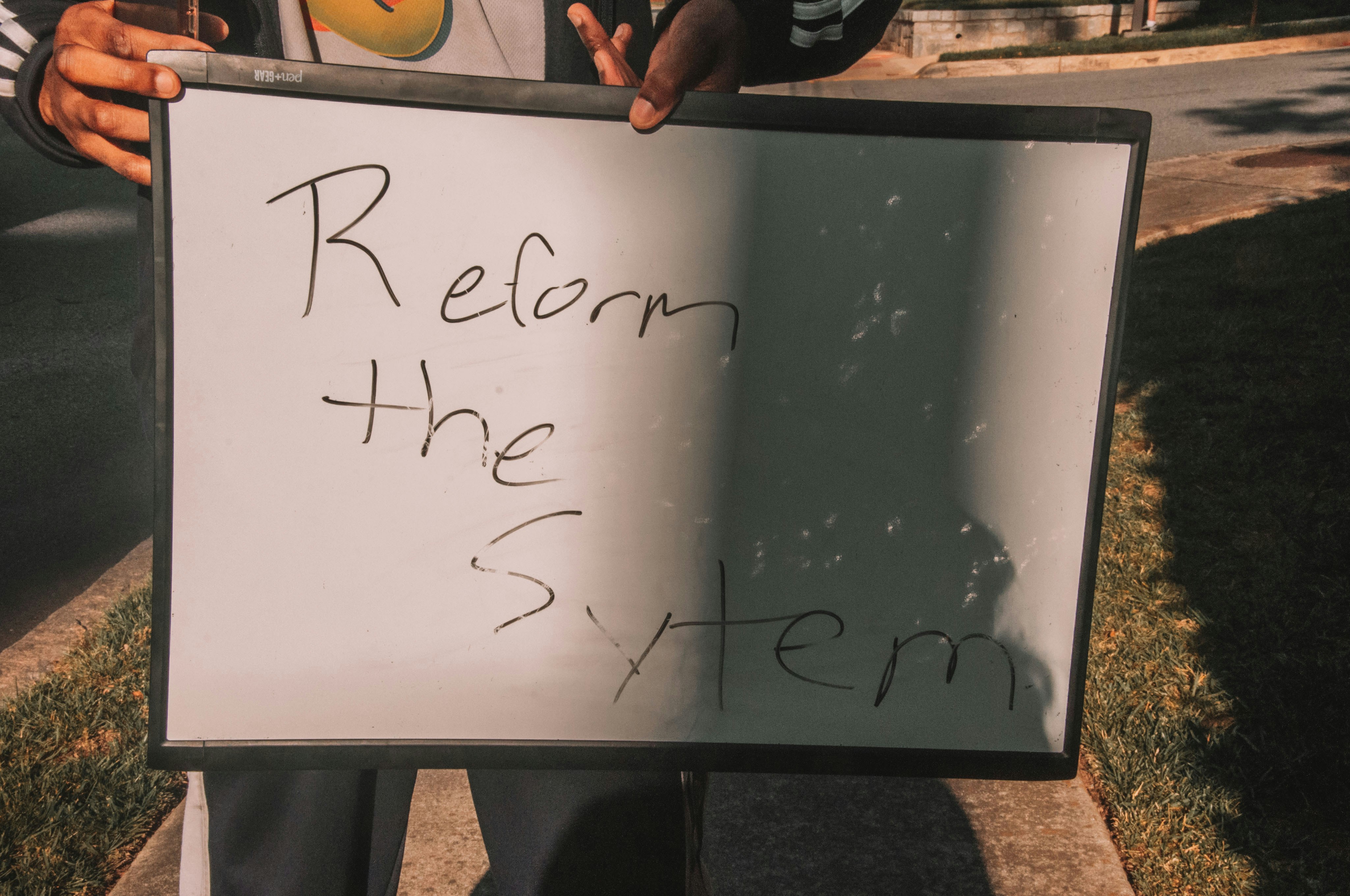
Therefore, addressing the shortcomings within India’s education framework is not merely an academic concern but a pressing societal issue that demands urgent attention. The need for reform becomes clear when considering the foundational role of education in fostering both individual and national progress.
Prospects for Reform: Moving Forward
The education system in India requires a multi-faceted approach to reform, focusing on innovative educational models, the integration of technology, and community involvement to address the needs of the aam aadmi. One promising avenue is the exploration of alternative educational frameworks such as Montessori and project-based learning, which cater to diverse learning styles and promote critical thinking over rote memorization.
Technology integration stands out as a crucial tool in expanding educational access and enhancing learning experiences. Utilizing digital platforms in rural areas can provide students with access to quality resources and connect them to expert educators. The employment of online courses and e-learning modules can help bridge the knowledge gap prevalent in many parts of India, offering flexible learning opportunities to those unable to attend traditional classrooms.
Community involvement is essential for the success of any reforms. Engaging parents, local organizations, and grassroots movements can foster a supportive atmosphere that prioritizes education. Workshops and training programs aimed at improving parental involvement in children’s education can lead to better outcomes as families become active participants in the learning process.
Alongside these strategies, policy changes at the governmental level are indispensable. Reassessing funding allocations, fostering public-private partnerships, and supporting non-governmental organizations (NGOs) can facilitate the transformation of educational frameworks. NGOs play a pivotal role in experimenting with new ideas on the ground, providing valuable insights into what works in effectively reaching underserved communities.
Incorporating these reforms holds the promise of creating a more inclusive and equitable education system for the aam aadmi, one that not only acknowledges the existing challenges but actively addresses them through innovative strategies, collective community action, and effective policy measures.